


Steel corrosion poses a silent threat capable of compromising the structural integrity of any building if not controlled in a timely manner. This electrochemical process transforms strong metal into brittle oxide, weakening foundations and supports when exposed continuously to moisture and oxygen. Understanding the mechanisms behind this deterioration allows for the implementation of effective solutions that extend the service life of materials and prevent unexpected collapses.
In this article, we will cover the following topics:
- What triggers the oxidation process?
- The Impact of Relative Humidity on Metals
- Steel Corrosion in Coastal Areas
- Most Common Types of Structural Deterioration
- Cathodic Protection Methods
- Advantages of Galvanized Coatings
- The Importance of Ongoing Preventive Maintenance
- How Building Design Influences...
What causes steel to corrode?
Oxygen and water act as the primary catalysts for metal degradation when they come into direct contact with unprotected surfaces. This interaction triggers an electrochemical reaction in which electrons flow from the iron into the surrounding environment, forming the reddish powder characteristic of rust. Understanding this fundamental dynamic is vital for blocking the pathways of these corrosive agents before they penetrate the deeper layers of the material.
The Impact of Relative Humidity on Metals
An environment saturated with water vapor creates an invisible film on surfaces that accelerates the electrical conductivity necessary for degradation. When condensation levels exceed tolerable limits, water trapped in joints and cracks acts as a powerful electrolyte that corrodes the material from within. Controlling indoor ventilation and applying appropriate sealants breaks this destructive cycle by keeping the substrate dry and isolated.
Interstitial condensation often accumulates silently inside walls, contributing to deterioration without showing any visible signs on the outside. Installing vapor barriers during the construction phase blocks the passage of this residual moisture to the concealed metal profiles. Thus, early intervention in managing the indoor environment preserves the strength of the main columns for many decades.
Steel Corrosion in Coastal Areas
The high concentration of chlorides carried by the sea breeze makes coastal areas the most hostile environments for metal structures. In places such as Santo Domingo, constant salinity quickly breaks down the metal's natural passive layer, causing deep pitting that weakens the entire structure. In the face of this aggressive corrosion, it is essential to use marine alloys or multilayer coating systems specifically designed to resist salt penetration.
Most Common Types of Structural Deterioration
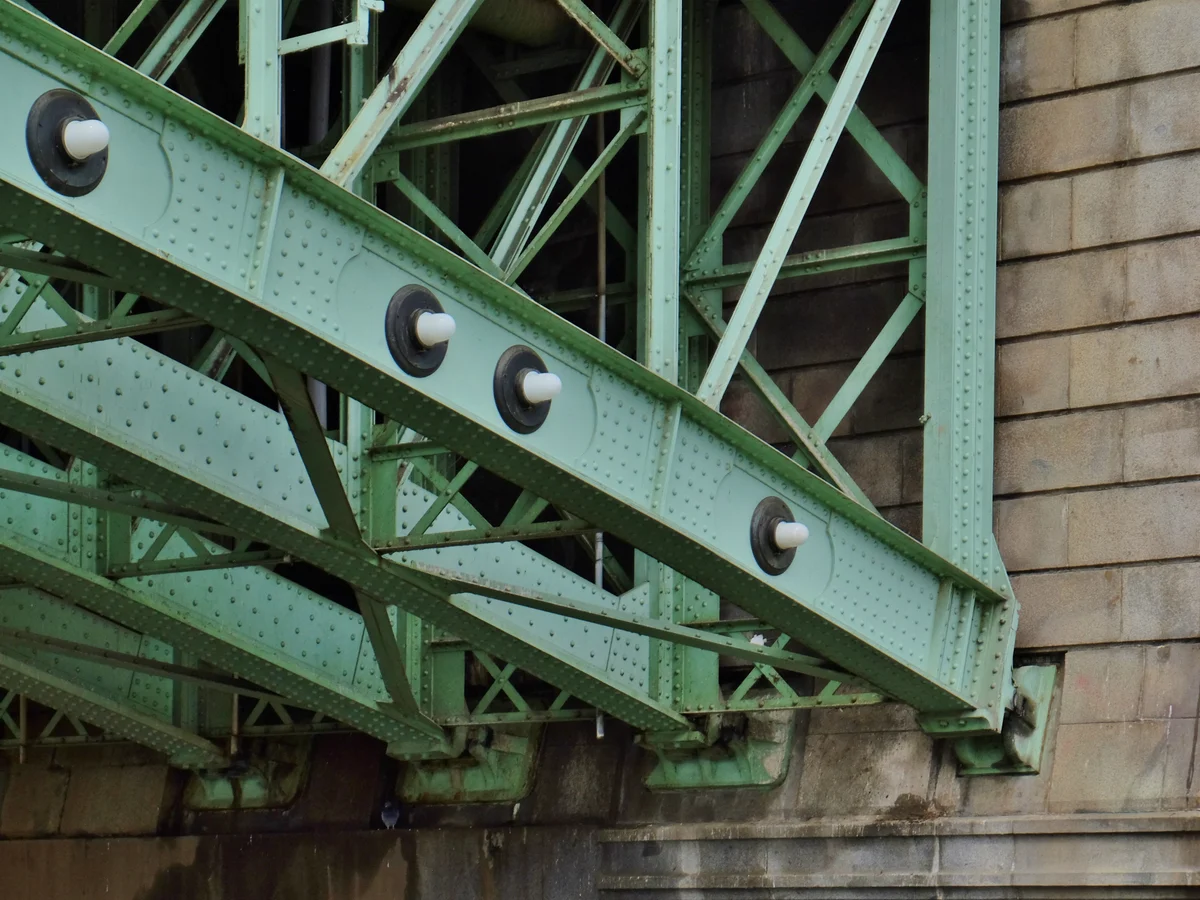
Metal corrosion manifests itself in many ways, ranging from uniform corrosion across the entire surface to the dreaded localized pitting that perforates entire sheets. In densely populated cities with varied microclimates such as San José, it is also common to observe galvanic corrosion, which occurs when dissimilar metals are joined without electrical insulation. Correctly identifying the failure pattern allows for the application of the appropriate corrective measures rather than resorting to temporary, superficial fixes.
Cathodic Protection Methods
This protective system consists of connecting the main structure to a sacrificial anode made of a more reactive metal, such as zinc or magnesium. By sharing the same electrolyte, this secondary component draws electrochemical damage toward itself, intentionally corroding to keep the main structural support intact. Regular monitoring of these anodes is essential, because once they are consumed, the corrosion will immediately shift to the building itself.
Alternatively, impressed-current systems use an external power source to deliver a continuous electric current that counteracts the natural oxidation reaction. This advanced solution requires meticulous professional installation, but provides an impenetrable, long-lasting shield for large-scale infrastructure or deep foundations. The choice between the two methods depends on the scale of the project and the chemical aggressiveness of the surrounding soil.
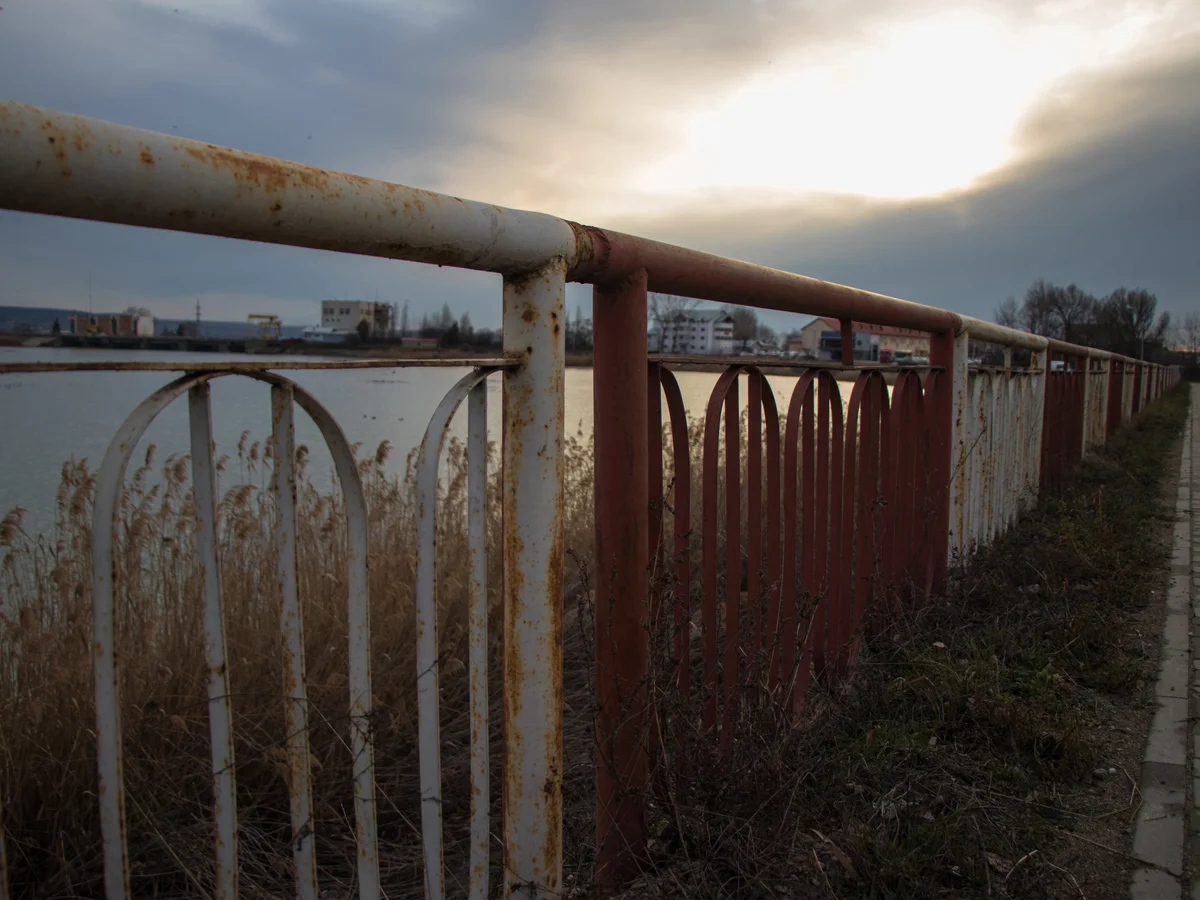
Advantages of Galvanized Coatings
Immersion in molten zinc creates a thick metallurgical barrier that completely seals the pores of the base substrate against the elements. This technique is particularly important when analyzing What is a Pre-Engineered Building (PEB)?, since these prefabricated structures rely on galvanized components to ensure quick assembly and weather resistance. Unlike traditional paint, galvanization resists mechanical impacts and automatically seals small scratches through its own protective action.
The Importance of Ongoing Preventive Maintenance
Ignoring small, early-stage rust spots allows the problem to progress to stages where repairs require costly reinforcements or complete replacements. Establishing periodic visual inspections helps detect premature failure of protective coatings and moisture buildup in hard-to-reach areas. Cleaning exposed surfaces and touching up the paint in a timely manner stops the spread of damage with a minimal investment of resources.
How Building Design Influences...
Rust prevention begins on the drawing board, by avoiding geometric configurations that create water traps or corners inaccessible to maintenance workers. Designing adequate slopes for stormwater runoff and ensuring an appropriate clearance from ground level minimizes the risk of prolonged exposure to corrosive agents. Thoughtful architectural planning eliminates at the source problems that no protective coating alone could withstand.
Combating metal corrosion requires a thorough understanding of the environment, selecting the appropriate protective methods, and maintaining a rigorous maintenance routine. Steel corrosion does not forgive neglect, but it can be overcome through smart design and the application of modern protective technologies. Protecting your foundations and superstructures from the start ensures the long-term viability of any real estate investment.
Can steel corrosion be stopped once it has begun?
Yes, by removing loose rust mechanically and applying chemical converters that stabilize the affected surface. Subsequently, sealing the area with a suitable protective coating prevents oxygen from restarting the destructive cycle.
Why can stainless steel rust, too?
The term “stainless” comes from a thin layer of chromium that protects the material, but this barrier breaks down when exposed to extreme levels of chlorides or strong acids. When environmental contamination exceeds the chromium’s ability to regenerate, the material succumbs to the same wear and tear as ordinary iron.
To what extent does air pollution contribute to structural deterioration?
Industrial gases such as sulfur dioxide combine with moisture in the air to form acid rain, which rapidly dissolves protective coatings. In highly polluted environments, wear and tear progresses much more rapidly than in clean rural areas.
What is the purpose of an anti-corrosion primer before painting?
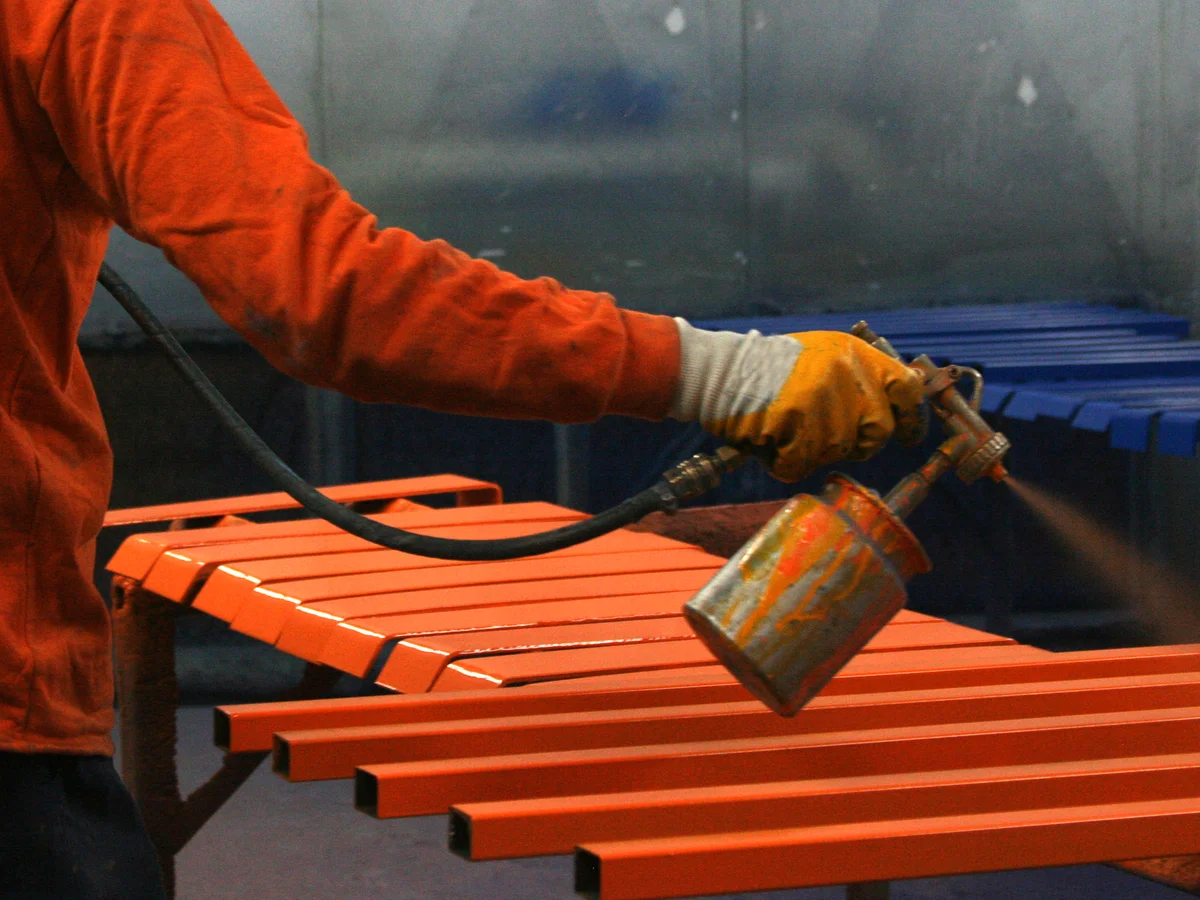
The primer acts as a deep chemical anchor that improves the adhesion of topcoats to smooth metal surfaces. It also contains active inhibitors that passivate the substrate, creating a crucial first line of defense against moisture penetration.
Is using oil or grease effective in preventing rust?
Layers of lubricant temporarily isolate metal from oxygen, making them useful for protecting small tools or parts stored indoors. However, on outdoor architectural structures, grease is easily washed away by rain and requires constant, impractical reapplication.
Protect your investment by ensuring the structural integrity of your projects from day one. Contact us today for expert advice and discover the best construction solutions to keep your buildings standing strong in the face of any weather challenge.