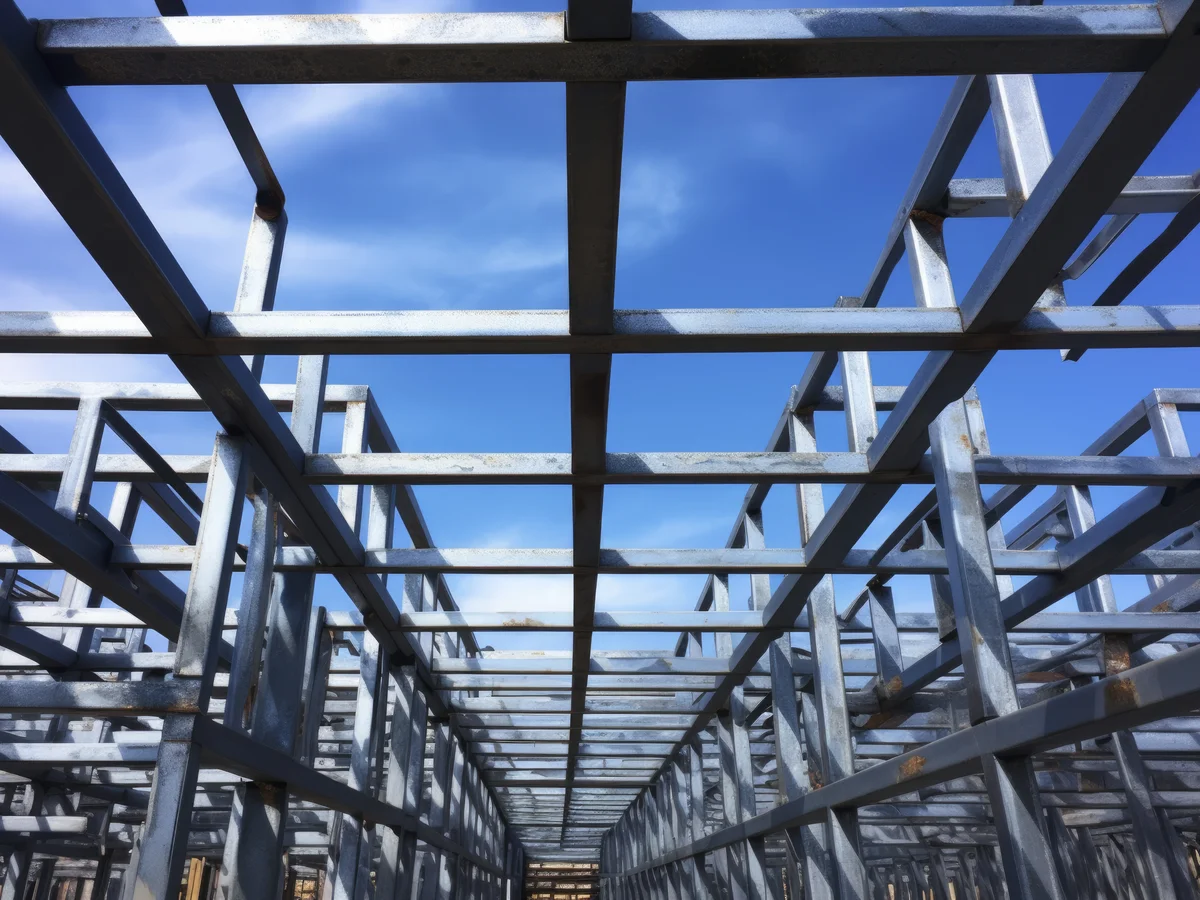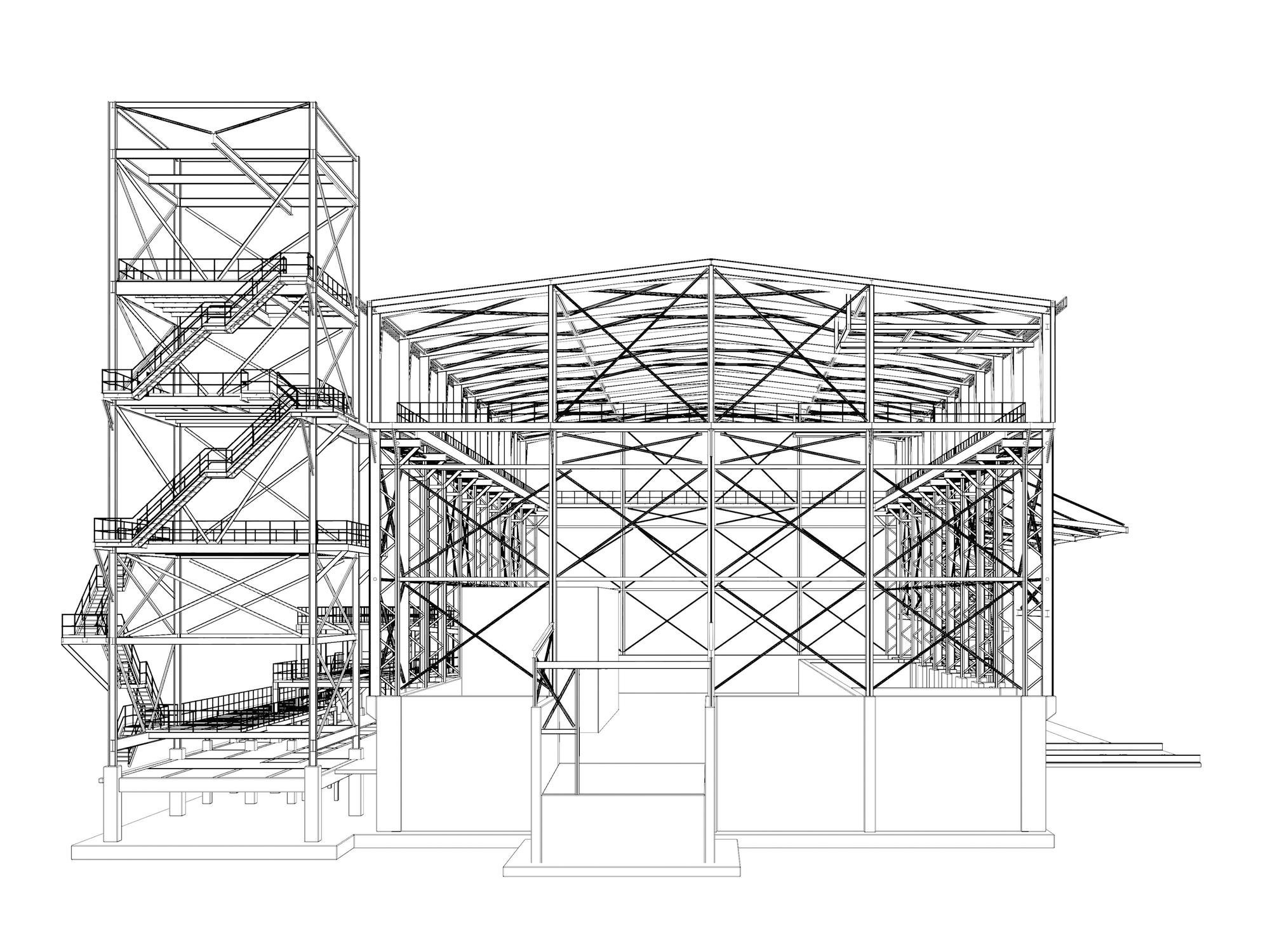



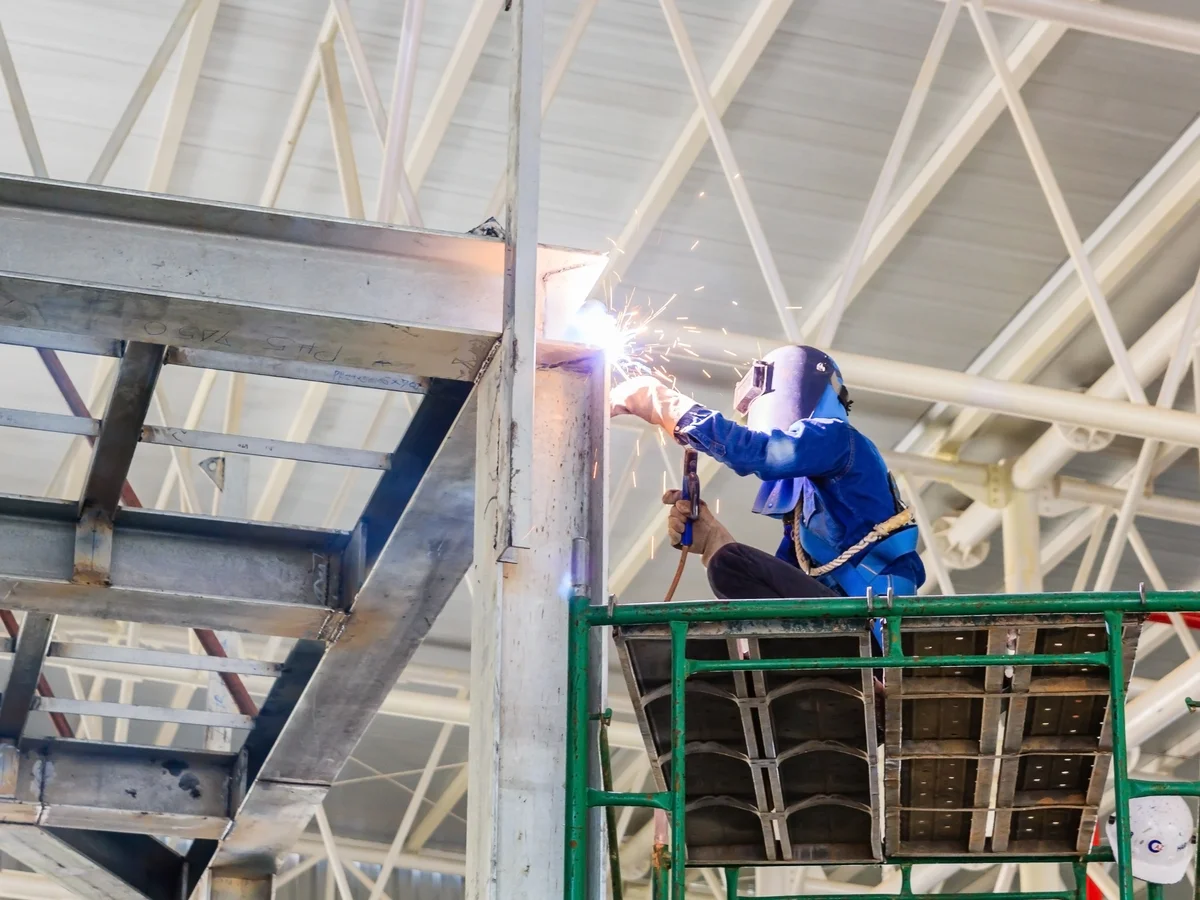
Structural welding acts as the invisible backbone of any steel building, determining the metal framework’s ability to withstand extreme forces. When two steel sections are properly fused together, the joint ceases to be a weak point and becomes a node with high mechanical strength. Neglecting the quality of these processes results in catastrophic failures that compromise the architectural design and technical viability of the structure. Understanding the dynamics behind these joints is essential for planning industrial facilities and infrastructure that will withstand demanding conditions.
In this guide on processes and quality control, we cover the following topics:
- What enables structural welding to support complex buildings?
- The Role of Metal Joints in Load Transfer
- Common Processes for Melting Structural Steel
- Technical Differences in Applying Structural Welding in the Field
- Inspection and Non-Destructive Testing in Structural Welding
- Impact of Climate and Seismic Activity on Regional Projects
- Logistics and Structural Adaptation in Areas of High Humidity
What enables structural welding to support complex buildings?
The primary purpose of structural welding is to create absolute continuity between different steel components so that they function as a unified structure. Unlike bolted joints, which rely on friction and compression, the welding process melts the base material together with a filler electrode. This fusion creates a monolithic bond capable of absorbing tensile, compressive, and shear stresses without experiencing critical deformations. As a result, engineers are able to design industrial buildings and skyscrapers that maintain their geometric integrity in the face of wind gusts and temperature fluctuations.
The Role of Metal Joints in Load Transfer
When the weight of the roof and intermediate platforms exerts downward pressure, the metal joints act as channels that direct that energy toward the foundation. If the joint lacks adequate penetration, the path is interrupted and stress accumulates at a single point, causing internal cracks in the steel. An efficient design ensures the even distribution of these live and dead loads through nodes strategically located within the building’s geometry. The strength of the welded connection allows the entire steel framework to flex slightly under dynamic loads before returning to its original state.
Think of the steel skeleton as a spiderweb where each thread must be firmly anchored at the intersections to prevent collapse. The quality of the metallurgical process determines how much vibrational energy can pass through that intersection without causing premature fatigue in the surrounding material. For this reason, structural engineers specify exact thicknesses and specific geometric configurations for each node in the structure. Exceeding design expectations at this critical point eliminates hidden vulnerabilities during the operational phase of a commercial or industrial project.
Common Processes for Melting Structural Steel
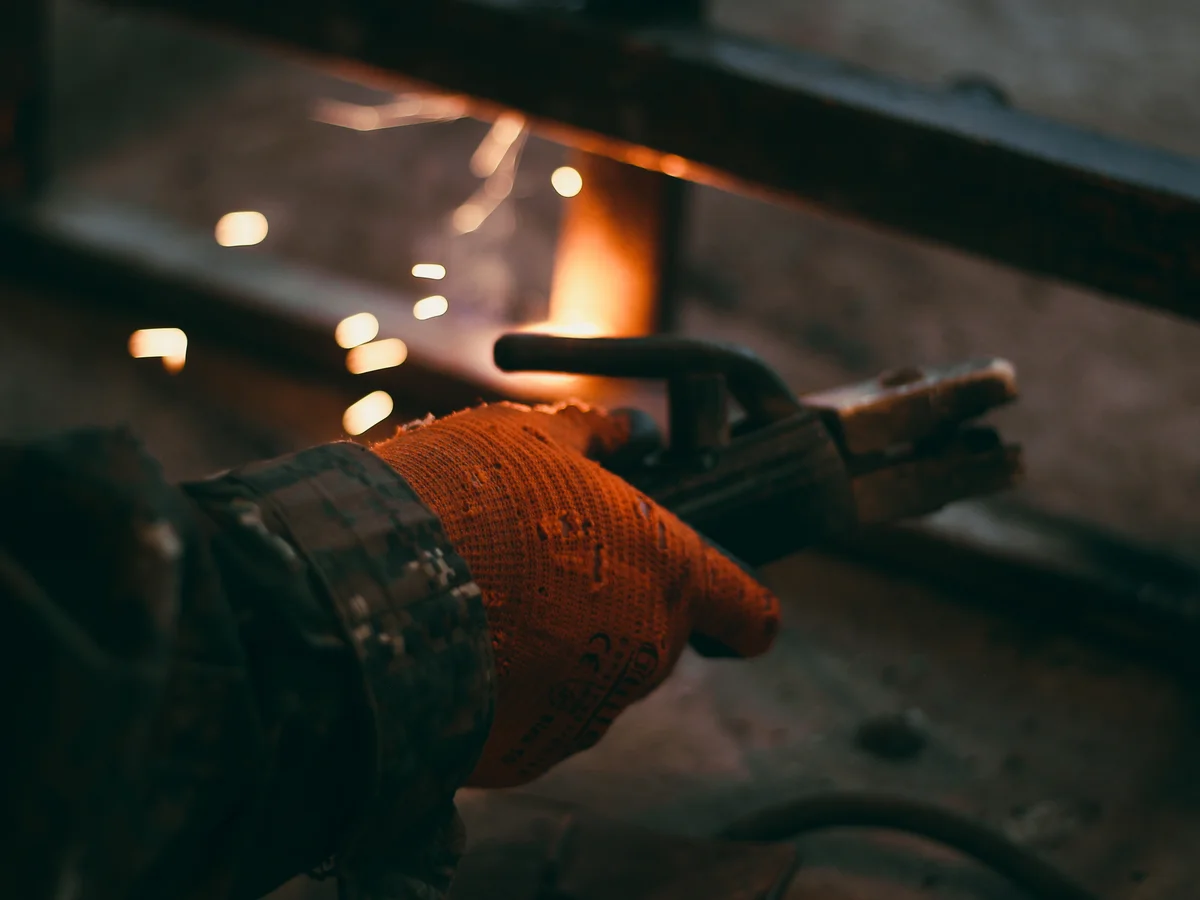
There are several methods for joining parts, but the choice of system depends directly on the thickness of the profile and the work environment. The coated-electrode arc welding process is quite versatile for outdoor work, since its protective coating generates a gas that isolates the molten pool from ambient oxygen. In contrast, indoor workshops typically use continuous-wire systems with inert gas, which accelerates the rate of material deposition on heavy-duty beams. Mastering the operational variables of each method significantly reduces the occurrence of porosity and slag inclusions in the joint.
Technical Differences in Applying Structural Welding in the Field
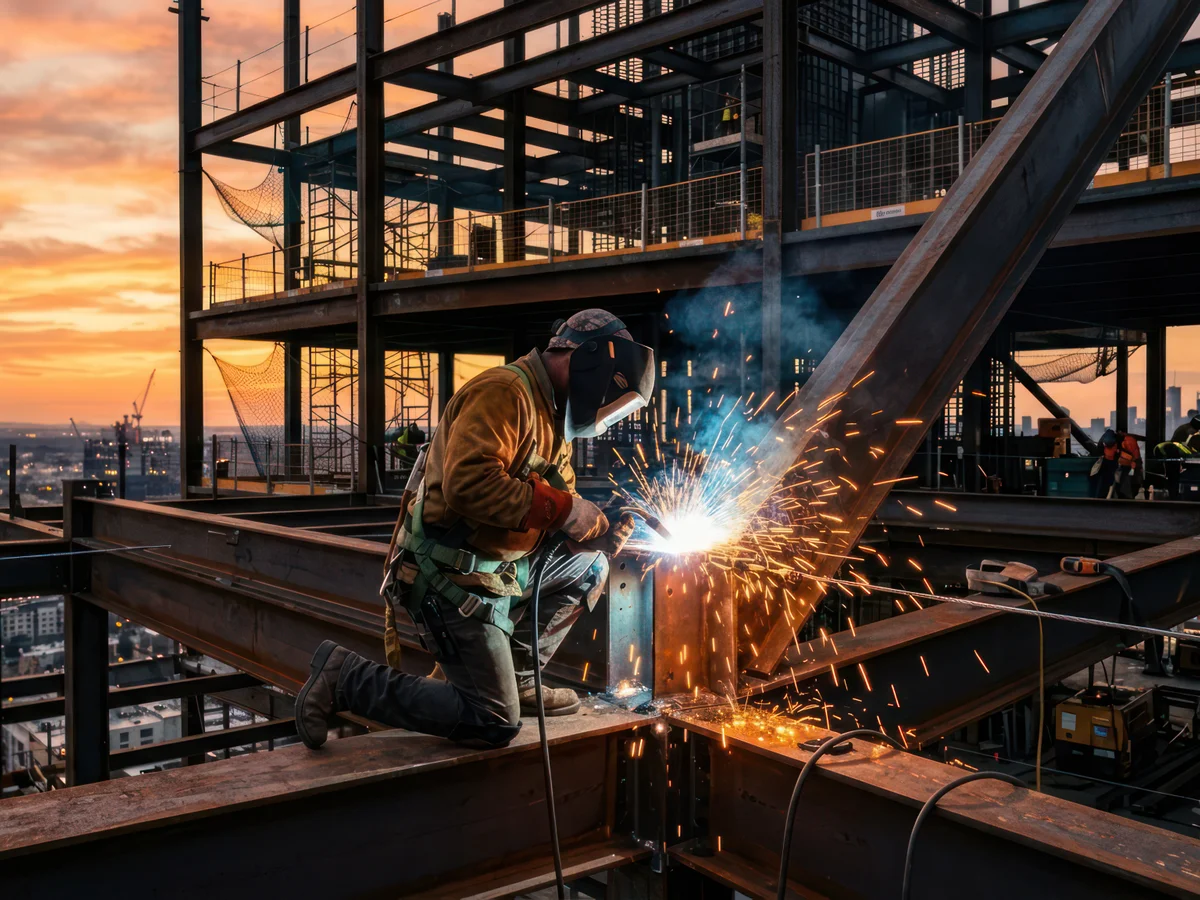
A well-executed weld bead exhibits a uniform bead pattern, edges that blend smoothly with the base material, and no lateral undercuts. The operator’s travel speed, together with the amperage set on the machine, determines the penetration depth achieved by the molten metal when performing structural welding under difficult conditions. A pass that is too fast produces bulging, brittle welds, while an extremely slow feed rate overheats the structural steel to the point of altering its mechanical properties. Maintaining thermal equilibrium during welding allows the structural member to retain its original ductility under future loads.
Inspection and Non-Destructive Testing in Structural Welding
No serious project relies solely on external visual inspection to validate the integrity of critical joints. Ultrasonic and industrial radiography inspection methods send waves or radiation through the joined plates to reveal microscopic defects trapped inside. These techniques allow for the scanning of all full-penetration joints without the need to cut or damage the assembled parts. Detecting a microcrack early prevents the propagation of cracks that would ultimately weaken the building’s main structural support.
Having a strict verification protocol saves significant costs by preventing emergency repairs once the project is operational. Delegating this level of control to specialized companies simplifies the real estate developer’s management process, ensuring that each beam arrives on site ready for assembly. If you’re evaluating options for your next development, understanding How to Choose a Turnkey Metal Structure Supplier It makes it easier to identify partners that comply with these quality standards. A full-service partner incorporates ultrasonic testing as a standard step prior to shipping materials.
Impact of Climate and Seismic Activity on Regional Projects
Structural designs face different challenges when moving from temperate zones to tropical environments or areas of high tectonic activity. Seismic design requires that joints be able to absorb sudden shock waves through highly ductile connections capable of plastic deformation without breaking. Planning the construction of structures in Costa Rica, for example, requires engineering criteria that can withstand high accelerations while maintaining the vertical support of the roofs. The steel used and the filler electrodes must meet specific chemical specifications to maintain toughness under sudden ground movements.
Logistics and Structural Adaptation in Areas of High Humidity
In addition to ground movement, accelerated oxidation poses a silent threat to metallurgical work in coastal or rainy environments. Constant humidity requires the application of special coatings immediately after mechanically cleaning the area affected by the heat of the electric arc. When coordinating large-scale installations in logistics hubs such as Panama, the handling of pre-welded components must minimize exposure to salt spray during maritime or land transport. Hermetically sealing the connections with epoxy primers prevents galvanic corrosion and extends the structure's service life.
The success of a steel structure depends entirely on the strength of its internal connections. Prioritizing proper fabrication, accompanied by rigorous inspections and specialized testing, protects your investment against unforeseen failures caused by excessive loads. Every millimeter installed by qualified operators adds years of service life to the structure and provides peace of mind to the investors financing the project. Understanding this technical dynamic gives you greater clarity when auditing the development of your next major infrastructure project.
What is the difference between structural welding and conventional welding?
Structural welding withstands dynamic forces and heavy loads in buildings, requiring specific filler materials and rigorous evaluations. The conventional method is used for smaller or decorative joints where a failure of the joint does not jeopardize large structures.
How does the weather affect the quality of the weld bead?
High ambient humidity and drafts interfere with the shielding gases, promoting the formation of porosity in the molten steel. Performing welds in controlled environments or shielding the work area with special screens mitigates these atmospheric defects.
What are the most common defects in metal joints?
Insufficient root penetration and slag inclusion top the list of problems that reduce the mechanical strength of the joint. Undercuts at the edges also act as stress concentrators that facilitate fatigue failure of the base material.
Why are non-destructive tests required for these projects?
Ultrasound and X-rays detect internal cracks that the human eye cannot see from the outside of the panels. These tests verify the integrity of the fusion before the parts are assembled and subjected to the full weight of the ceilings.
Is it better to weld the parts in the workshop or directly on site?
Workshop assembly provides greater control over temperature, cleanliness, and the operator’s posture, thereby improving the final quality of the work. Field assembly is primarily reserved for the final joints that connect the large prefabricated modules during crane hoisting.
Building safe structures requires partners who are experts in metal connection engineering—from design through final assembly. If you’re looking to raise the bar for your next commercial or industrial development, contact our team of specialists to create a plan tailored to your specific needs. Take the first step toward a solid and efficient project by requesting a detailed technical consultation today.